

When a loved one is discharged from the hospital, the transition back home is a critical phase in recovery. Families often feel relief once hospitalization ends, but many are unprepared for the level of post-hospital home care needed to support healing, prevent setbacks, and reduce the risk of readmission. Proper preparation makes a measurable difference in comfort, safety, and long-term recovery outcomes.
This guide explains how to prepare your home for post-hospital recovery, focusing on practical steps, emotional readiness, and professional in-home care in Nebraska. By planning ahead, families can create a supportive environment that promotes independence while ensuring proper recovery support from day one.
Why Post-Hospital Home Preparation Matters
Returning home after a hospital stay is not the same as resuming normal life. Many patients face limited mobility, medication changes, wound care needs, or new dietary requirements. A home that worked before hospitalization may no longer be suitable without adjustments.
Unprepared homes increase the risk of falls, medication errors, and complications that can lead to emergency room visits. In contrast, a thoughtfully prepared environment helps patients heal faster and regain confidence during recovery.
Families who plan ahead experience less stress, better coordination with healthcare providers, and smoother daily routines. Home preparation also supports caregivers by reducing physical strain and uncertainty during the recovery period.
Understanding Discharge Instructions Before Coming Home
Before your loved one leaves the hospital, it is essential to fully understand their discharge plan. This document outlines care instructions, medications, activity restrictions, and follow-up appointments. Many recovery challenges stem from unclear or misunderstood discharge details.
Take time to review instructions with hospital staff and ask questions about daily care expectations. Clarify what tasks require professional assistance versus what family members can safely manage. Knowing these details helps guide home preparation decisions.
Pay close attention to signs of complications that require medical attention. Understanding these warning signals allows families to act quickly and avoid serious setbacks during recovery support at home.
Making the Home Safe for Recovery

Safety is the foundation of effective post-hospital home care. After hospitalization, patients may have reduced balance, strength, or coordination. Even familiar spaces can become hazardous without adjustments.
Start by clearing walkways and removing tripping hazards such as loose rugs, cords, and clutter. Ensure floors are dry, well-lit, and easy to navigate. Rearranging furniture may be necessary to create wider paths for walkers or wheelchairs.
Bathroom safety deserves special attention. Installing grab bars, non-slip mats, and raised toilet seats can significantly reduce fall risks. These simple changes support independence while protecting your loved one during daily routines.
Setting Up a Comfortable Recovery Space
Creating a designated recovery area helps patients rest comfortably and stay organized during healing. This space should be easy to access and close to a bathroom whenever possible.
The bed should be at a height that allows easy entry and exit. Supportive pillows, clean linens, and adjustable lighting improve comfort and sleep quality. Keep frequently used items within reach to reduce unnecessary movement.
This area should also support emotional well-being. A calm, clean, and welcoming environment promotes healing and reduces anxiety during the transition from hospital to home.
Preparing for Medication Management at Home
Medication changes are common after hospitalization, and errors can slow recovery or cause complications. Organizing medications before your loved one arrives home is essential.
Use a medication schedule that lists names, dosages, and timing clearly. Pill organizers can help reduce confusion, especially when multiple prescriptions are involved. Keep medications stored safely and away from children or pets.
If medication management feels overwhelming, professional in-home care in Nebraska can provide reliable support. Trained caregivers ensure medications are taken correctly and on schedule, offering peace of mind for families.
Supporting Mobility and Daily Activities
Mobility challenges are common during recovery, even for individuals who were independent before hospitalization. Temporary assistance may be needed for walking, bathing, dressing, and transferring from bed to chair.
Adaptive equipment such as walkers, shower chairs, or reachers can improve safety and confidence. Learning proper techniques for assisting movement helps prevent injuries to both patients and caregivers.
Professional caregivers are trained to provide hands-on support while encouraging independence. This balance is essential for rebuilding strength and preventing setbacks during recovery support.
Nutrition and Hydration During Recovery
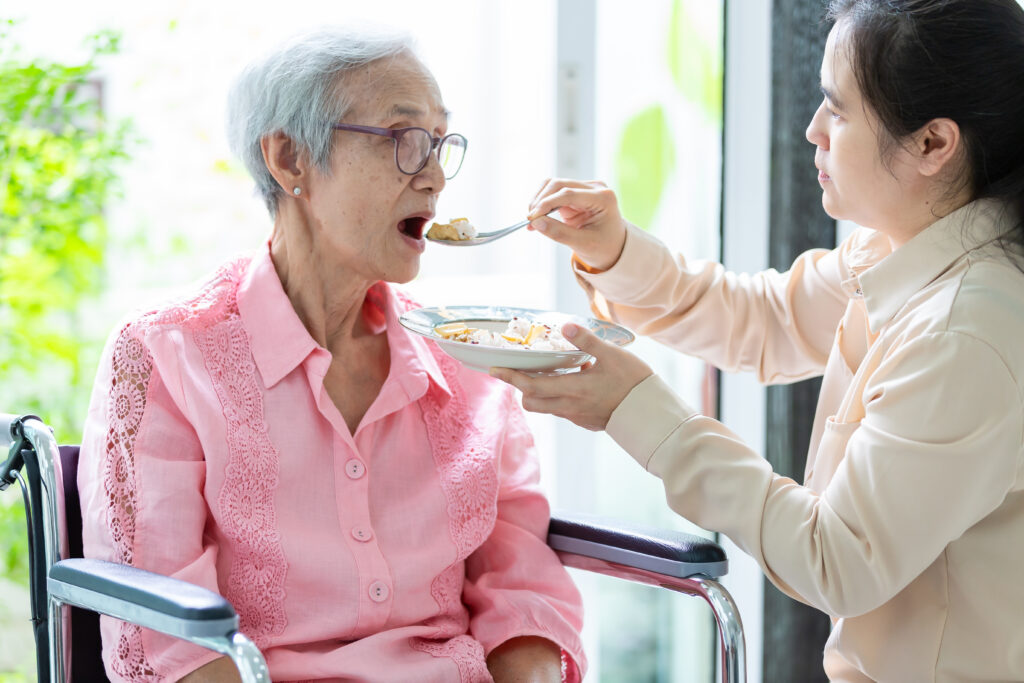
Proper nutrition plays a vital role in healing. After hospitalization, dietary needs may change due to medical conditions, medications, or reduced appetite.
Prepare meals that align with medical recommendations and are easy to eat and digest. Keep healthy snacks and fluids readily available to support hydration throughout the day.
If meal preparation becomes challenging, in-home care services can assist with grocery planning, cooking, and monitoring nutritional intake. This ensures consistent support without added stress for family members.
Coordinating Follow-Up Care and Appointments
Recovery does not end at discharge. Follow-up appointments, therapy sessions, and medical check-ins are essential for long-term health.
Create a clear schedule for appointments and arrange transportation if needed. Keep important contact numbers easily accessible for quick communication with healthcare providers.
Professional caregivers can assist with appointment reminders and transportation coordination. This added layer of organization helps families stay on track during the recovery period.
Emotional Support During Post-Hospital Recovery
The emotional impact of hospitalization is often overlooked. Many patients experience anxiety, frustration, or fear after returning home. These feelings can affect motivation and recovery progress.
Providing reassurance, patience, and companionship is just as important as physical care. Encourage open communication and allow your loved one to express concerns without pressure.
Professional caregivers offer consistent emotional support and companionship. Their presence helps reduce isolation and creates a sense of stability during recovery.
When to Consider Professional In-Home Care
Some families can manage short-term recovery independently, while others benefit from professional assistance. Recognizing when to seek help is a strength, not a weakness.
Signs that professional care may be helpful include difficulty managing medications, limited mobility, caregiver fatigue, or complex medical needs. In-home care services provide flexible support tailored to each recovery situation.
For families in Nebraska, trusted providers like Aurora Home Care offer personalized post-hospital home care designed to support safe and comfortable recovery at home.
How In-Home Care Supports Recovery Success
Professional caregivers bridge the gap between hospital care and full independence. They assist with daily tasks, monitor health changes, and communicate concerns promptly.
This level of support reduces hospital readmissions and improves overall recovery outcomes. Families gain peace of mind knowing their loved one is receiving reliable, compassionate care at home.
In-home care also adapts as recovery progresses, gradually reducing assistance as independence improves.
Conclusion
Preparing your home for a loved one returning from the hospital requires planning, patience, and the right support system. From safety modifications to emotional care, each step contributes to a smoother recovery and better quality of life.
Families do not have to manage this transition alone. Professional post-hospital home care provides the guidance and hands-on assistance needed during recovery. With the right preparation and support, healing at home becomes safer and less stressful.
For families seeking trusted in-home care in Nebraska, Aurora Home Care is committed to supporting recovery with compassion, expertise, and personalized care plans.
Frequently Asked Questions
1. How long does post-hospital home care usually last?
The duration depends on medical needs and recovery progress. Some individuals require short-term support, while others benefit from extended assistance.
2. What services are included in post-hospital home care?
Services often include mobility assistance, medication reminders, personal care, meal support, and companionship.
3. Can in-home care prevent hospital readmission?
Yes. Proper recovery support at home helps monitor health changes and reduces complications that lead to readmission.
4. Is in-home care only for seniors?
No. In-home care supports adults of all ages recovering from surgery, illness, or injury.
5. How soon should in-home care start after discharge?
Care should begin immediately after discharge to ensure a smooth and safe transition home.
0 Comments