

Caring for a senior with dementia can feel overwhelming for families, especially as memory loss begins to affect daily life. In communities like Bellevue, Nebraska, more families are choosing in-home care as a compassionate alternative that allows seniors to remain in familiar surroundings while receiving the support they need. With the right strategies, dementia care at home can improve safety, reduce anxiety, and preserve dignity.
This guide explains how dementia care in Bellevue NE works, what families should expect, and which in-home strategies truly make a difference for seniors living with Alzheimer’s disease or related conditions. It is designed to help families feel informed, confident, and supported at every stage.
Understanding Dementia and Why Home-Based Care Matters
Dementia is not a single disease but a group of conditions that affect memory, thinking, and behavior. Alzheimer’s disease is the most common form, but vascular dementia, Lewy body dementia, and other types can also impact seniors in different ways. What these conditions share is a gradual loss of independence that requires increasing levels of care.
Home-based dementia care focuses on supporting seniors in an environment they recognize. Familiar surroundings can slow confusion and reduce emotional distress. Simple things like known furniture, family photos, and daily routines help seniors feel anchored and secure.
Another key benefit of Alzheimer’s home care is personalized attention. In-home caregivers can adapt care routines to match a senior’s habits, preferences, and emotional needs. This level of customization is difficult to achieve in facility-based settings and often leads to better quality of life.
Creating a Safe and Dementia-Friendly Home Environment
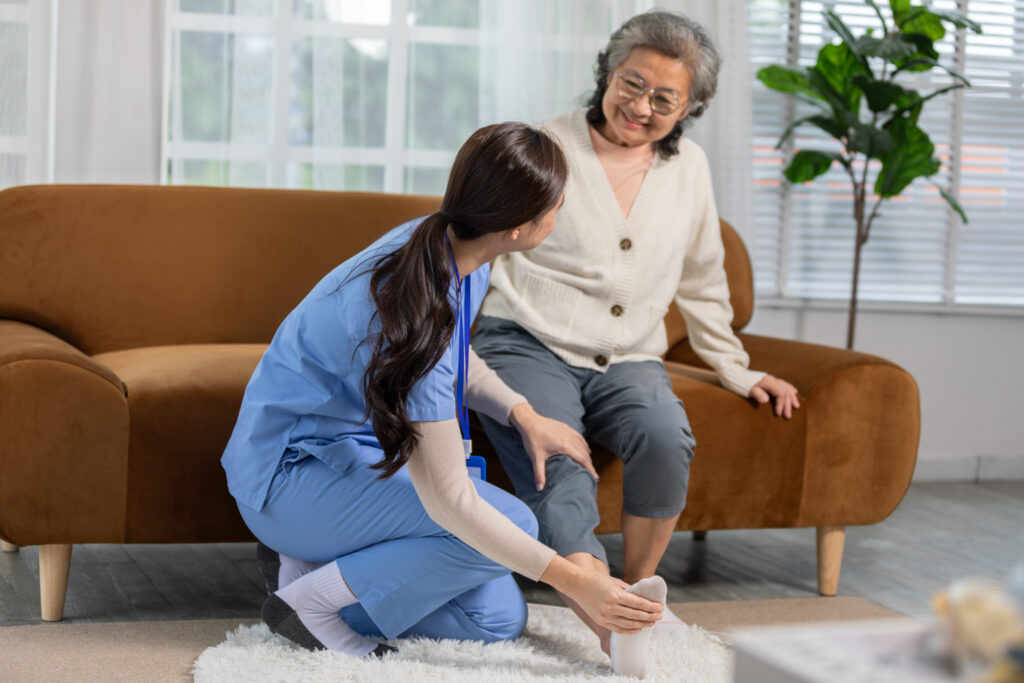
A safe environment is the foundation of effective dementia care at home. As memory and judgment decline, everyday household features can become hazards. Families must proactively adapt the home to reduce risks while maintaining comfort.
One of the most effective strategies is simplifying the living space. Reducing clutter, improving lighting, and clearly labeling rooms can help seniors navigate their home with greater confidence. Safety measures such as grab bars, non-slip flooring, and secured exits also play an essential role.
Below is an overview of common home safety modifications for dementia care:
| Home Area | Safety Strategy | Purpose |
| Bathroom | Grab bars and walk-in showers | Prevent falls and injuries |
| Kitchen | Locked cabinets and appliance controls | Reduce accident risks |
| Entryways | Door alarms or monitoring systems | Prevent wandering |
| Living Areas | Clear walkways and soft lighting | Improve mobility and orientation |
These adjustments support independence while providing families with peace of mind.
Establishing Consistent Daily Routines
Routine is one of the most powerful tools in dementia care. Seniors with memory loss often feel anxious when their day feels unpredictable. Structured routines create a sense of stability and reduce behavioral challenges.
Daily schedules should include consistent times for waking, meals, activities, and rest. While flexibility is still important, keeping the overall flow of the day familiar helps seniors anticipate what comes next. This can reduce agitation and confusion.
Caregivers providing dementia care in Bellevue NE often work closely with families to develop routines that align with a senior’s natural rhythms. When routines are tailored rather than rigid, seniors are more likely to remain engaged and cooperative.
Communication Techniques That Build Trust and Calm
Effective communication is essential when caring for seniors with dementia. As language skills decline, frustration can increase on both sides. The way caregivers speak and listen has a direct impact on emotional well-being.
Clear, simple language works best. Short sentences, calm tones, and positive phrasing help seniors understand instructions without feeling overwhelmed. Nonverbal cues such as eye contact and gentle gestures also support comprehension.
Helpful Communication Practices
- Speak slowly and clearly using familiar words
- Offer one instruction at a time
- Avoid correcting or arguing over memory errors
- Reassure seniors through touch and tone
These techniques help preserve dignity while reducing stress for everyone involved.
Managing Behavioral Changes with Compassion
Behavioral changes such as agitation, wandering, or mood swings are common in dementia. These behaviors are not intentional but are often expressions of unmet needs or confusion.
Caregivers must first observe patterns to understand triggers. Hunger, fatigue, pain, or overstimulation can all contribute to challenging behaviors. Addressing these root causes often reduces episodes without the need for medication.
In-home caregivers trained in Alzheimer’s home care use redirection and reassurance rather than confrontation. Gentle activities, calming music, or a change of environment can help de-escalate situations while maintaining a sense of safety.
Supporting Personal Care While Preserving Dignity
Personal care tasks such as bathing, dressing, and grooming become more difficult as dementia progresses. These activities can also feel invasive or confusing to seniors, making patience and respect essential.
Caregivers should encourage participation whenever possible. Offering choices like selecting clothing or using familiar routines helps seniors feel involved rather than dependent. Privacy and modesty should always be respected.
In-home care allows these tasks to be completed in a familiar bathroom or bedroom, which often reduces resistance. This is one reason families in Bellevue increasingly turn to home-based dementia care for long-term support.
Nutrition and Mealtime Strategies for Dementia Care
Eating challenges are common for seniors with dementia. Appetite changes, difficulty swallowing, and confusion during meals can lead to poor nutrition if not addressed carefully.
Creating a calm mealtime environment is key. Limiting distractions, using simple table settings, and serving familiar foods can encourage better intake. Caregivers may also offer smaller meals throughout the day instead of large portions.
Nutrition Tips for Dementia Care
- Serve nutrient-dense, easy-to-eat foods
- Maintain consistent meal times
- Monitor hydration throughout the day
- Observe for swallowing difficulties
These strategies support physical health and energy levels while reducing mealtime stress.
Emotional Support and Social Engagement at Home
Isolation can worsen dementia symptoms, making emotional support just as important as physical care. Seniors benefit greatly from regular social interaction, even as communication abilities decline.
In-home caregivers provide companionship through conversation, shared activities, and gentle engagement. Simple interactions such as listening to music, looking at photo albums, or short walks can stimulate positive emotions.
Family involvement remains vital. Coordinating visits and maintaining connections helps seniors feel loved and valued. Emotional care is a cornerstone of quality dementia care in Bellevue NE.
When Professional In-Home Dementia Care Is Needed
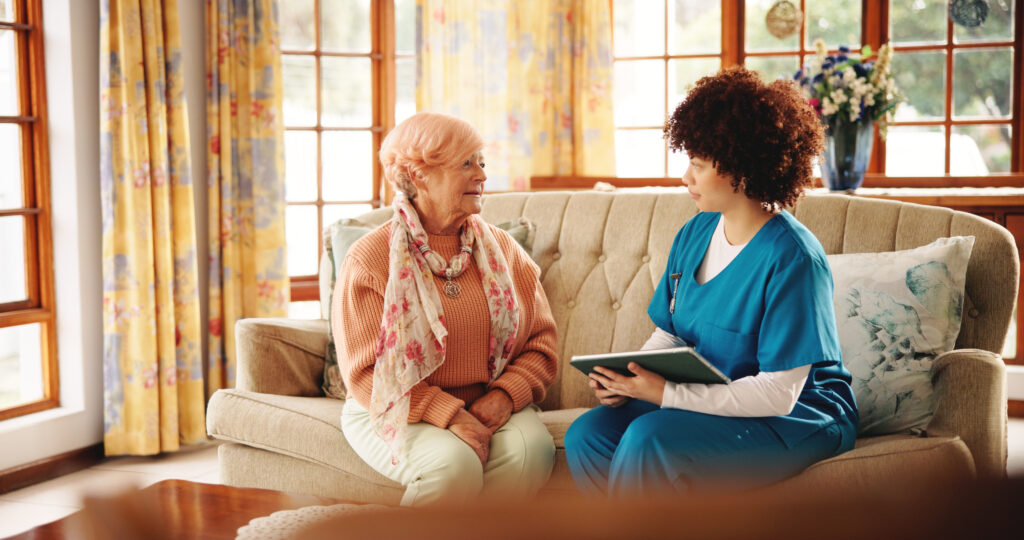
Many families begin by providing care themselves, but dementia is progressive. As needs increase, professional support becomes essential to maintain safety and quality of life.
Professional caregivers bring training, experience, and consistency. They can support complex care needs while allowing family members to focus on emotional connection rather than constant supervision.
Partnering with a trusted local provider ensures seniors receive compassionate, skilled care that evolves with their condition.
Conclusion
Caring for a senior with dementia requires patience, knowledge, and the right support system. In-home strategies that focus on safety, routine, communication, and emotional connection can dramatically improve daily life for seniors and families alike.
For families seeking trusted dementia support in Bellevue, professional in-home care offers a balance of independence and compassionate assistance. Aurora Home Care is committed to helping seniors live safely and meaningfully at home while supporting families every step of the journey.
Frequently Asked Questions
- What makes in-home dementia care different from facility care?
In-home care allows seniors to remain in familiar surroundings, which can reduce confusion and anxiety compared to facility settings. - How early should families consider dementia care support?
Families should seek help as soon as memory loss begins affecting daily safety or routines, not only in advanced stages. - Can dementia care help with behavioral challenges?
Yes. Trained caregivers use non-medical strategies like redirection and routine to manage behaviors compassionately. - Is Alzheimer’s home care appropriate for late-stage dementia?
In many cases, yes. Advanced dementia care at home can be effective with professional caregiver support. - How do I choose a dementia care provider in Bellevue NE?
Look for providers with specialized dementia training, local experience, and personalized care plans.
0 Comments